In 1996 CEO and Founder of buildOn, (an International nonprofit organization that runs youth service after school programs in U.S. high schools, and builds schools in developing countries) Jim Ziolkowski had the chance to interview Mother Teresa. Jim brought along some questions from American high school kids buildOn has been working with. One of the students wanted to know if Mother Teresa thinks that “poverty and hunger will ever become extinct?”. She responded, “As long as there is love, people can help each other not to die of hunger. There is always enough food, the only thing is missing is love. We are feeding hundreds of people even in the U.S. Every day somebody somewhere will help. The work has created a tremendous presence of love in action.”
That’s exactly what Jim and those who are part of buildOn movement have been doing since the organization’s founding in 1991, creating “a presence of love in action” around the world. Thousands of people are building buildOn schools and kids in some of America’s toughest inner cities are empowered to help their neighborhoods, breaking the cycle of poverty and illiteracy in their communities.
Founder, President and CEO of buildOn
Stamford, Connecticut
Nicaragua: 122 schools built.
Haiti: 58 schools
Senegal: 31 schools
Mali: 202 schools
Burkina Faso: 2 schools
Malawi: 100 schools
Nepal: 114 schools.
I caught up with Jim to talk about the origins of buildOn, the organization’s creative supporters and the most important key to starting a successful organization.
After graduating from Michigan State, you started traveling. First Europe, then Australia & New Zealand, followed by Thailand, India, Nepal and China. For one year you immersed yourself in different cultures. In your book, you stated the vision you had for your life that you developed in college was “obliterated with every mile you traveled”. What made you want to convert your travel experiences into something philanthropic?
Jim Ziolkowski: While I was traveling I encountered extreme poverty as I had never seen it before, especially while visiting India, Thailand, and Nepal. When I was in New Delhi, I saw the beggars and the street children, without any hope for a better life. When I was in a village in Nepal, I saw families living in mud huts without running water or electricity. But, the more I traveled in regions of poverty, the more clearly I saw that those conditions were directly related to rampant illiteracy and the general lack of education. I also saw that these communities desperately wanted their own children to read and write.
These experiences in developing countries also made me more sensitive to poverty in the U.S., particularly affecting urban youth. The problems of our inner cities are intimidating, and many adults had given up, but I knew that the kids themselves wanted to build a better community, shape their own destiny, and disprove the cynics. They wanted to be part of the solution.
I wanted to empower American youth and different communities around the world to break the cycle of poverty, illiteracy, and low expectations through service and education. I was certain that if I tried, the commitment from the villagers and the youth to the cause would surpass my own. So I quit my fast-track position in GE’s Financial Management Program and started buildOn.
Instead of simply making donations, you and your brother wanted to actually start building schools in developing countries on 3 different continents and start after school programs in the U.S to help your own community; all this with no background in education, construction or youth programs. That’s what we call dreaming big! It’s always amazing to see projects evolve from ideas to reality and how they develop. When you decided to quit your job with General Electric and start “Building with Books” in 1991 what was the original plan? What did you imagine you were going to build?
Our original plan was to build three schools on three different continents while engaging students from three American high schools in intensive community service. I was inspired by the combination of compassion, idealism, and social change.
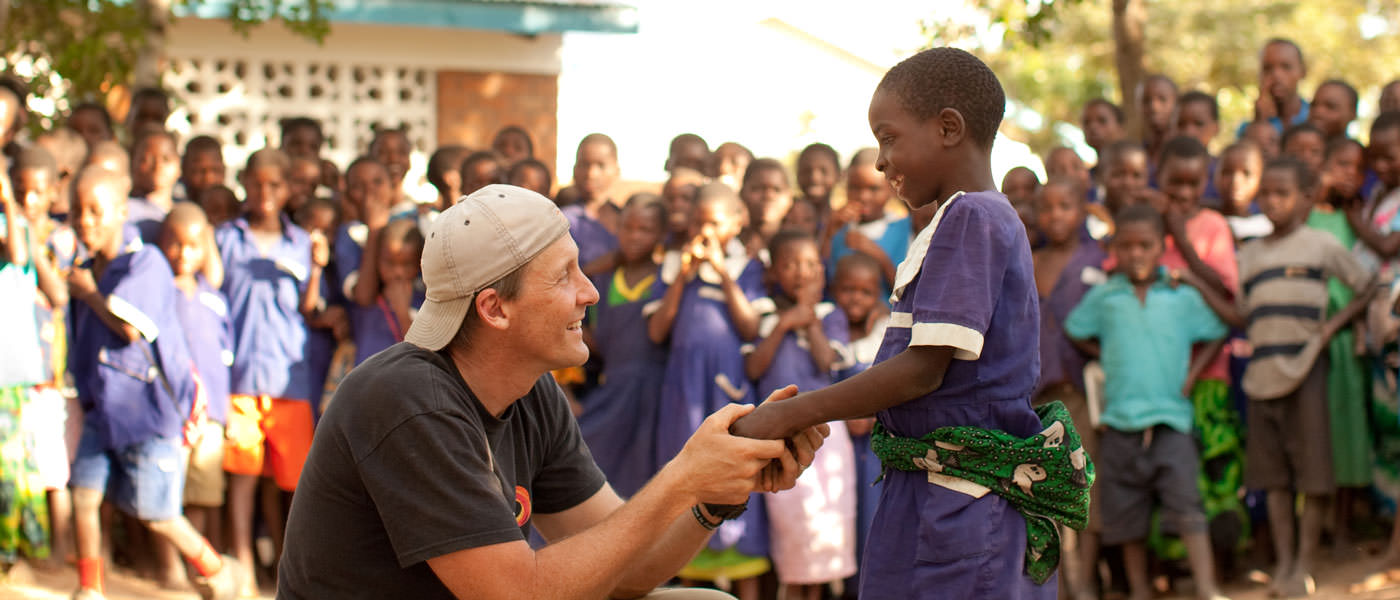
Who did you consult with? Who were the first people to believe in “Building with Books” and joining forces with you? Who were your mentors?
I worked with my brother Dave to create the first school building plan. I also, consulted with my friend Marc Friedman (now Chief Operating Officer of buildOn). Marc is a really level headed guy and I knew if he were in my shoes, would never quit GE to work at a nonprofit that paid no salary, so when he said I should go for it, it was meaningful. But, I never made an important decision without my father. Though he was concerned and explained that the probability for success was really low, he believed in me and that gave me the confidence I needed.
After I left GE to start buildOn, the company was very supportive of our cause, and still is. Jim Parke, former CFO of GE Capital, was one of my first supporters and mentors, and remains so today. Also, GE’s current CFO Jeff Bornstein is on our National Board.
The age of social media makes it easy to spread the word about initiatives using various social media channels and influencers. How were you managing to spread the word when Building With Books was just started?
When we started it was all word of mouth. We had many young volunteers who were dedicated to our work and would invite their friends to join in. Even with social media and major media, I still believe that’s the most important way people can spread the word. It makes the most impact. Every day our supporters, staff and students ask more and more people to join the movement – because it’s something they believe in.
What is the craziest thing you’ve heard of a supporter doing to help raise money for buildOn?
We’ve had supporters do everything from hiking Mount Kilimanjaro to rowing across the Atlantic Ocean. They’ve hosted benefit concerts in Detroit, and fulfilled pledges to get buildOn tattoos when they reached their goal. We’ve even had couples donate their wedding proceeds to buildOn and then spend their honeymoons building schools. Our supporters are creative and passionate.
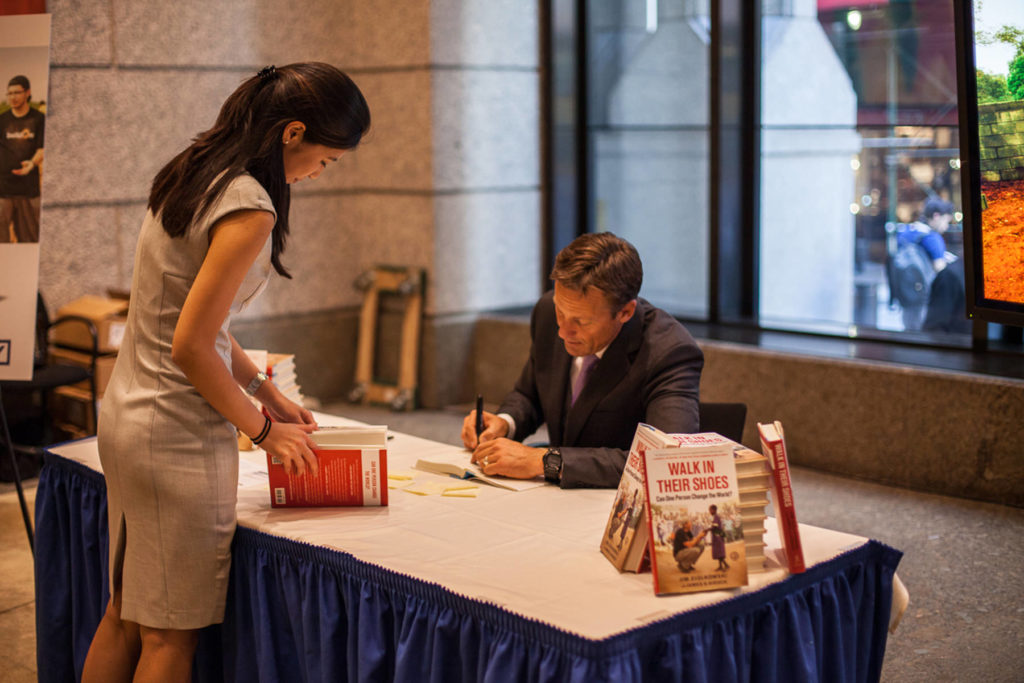
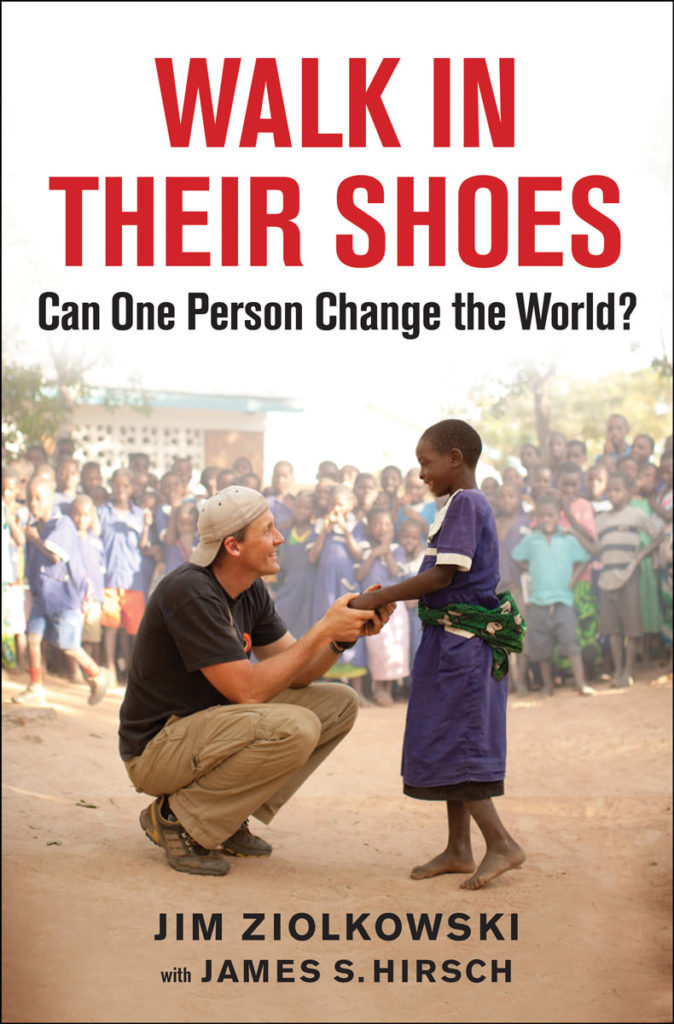
We downloaded your book “Walk in Their Shoes: Can One Person Change the World?” as soon as it went live in iTunes store. Meeting you at the book release event in LA afterwards was an absolute delight. Since then “Walk in their shoes” became New York Times education bestseller. What was the book writing process like? What were the challenges in bringing it to life?
The book was a labor of love. Parts of it were extremely difficult and emotional, and I certainly couldn’t have done it without my brilliant co-writer James Hirsch. I became really close friends with Jim and that made it easy for me to trust him with my inner most feeling and experiences. It’s difficult to condense a lifetime of experiences, much of it very personal, into one book. Over the last 23 years there are thousands of people who have over come extreme circumstances and have inspired me through their compassionate and courageous actions. One of the most difficult parts of the process was deciding which of those people I would write about.
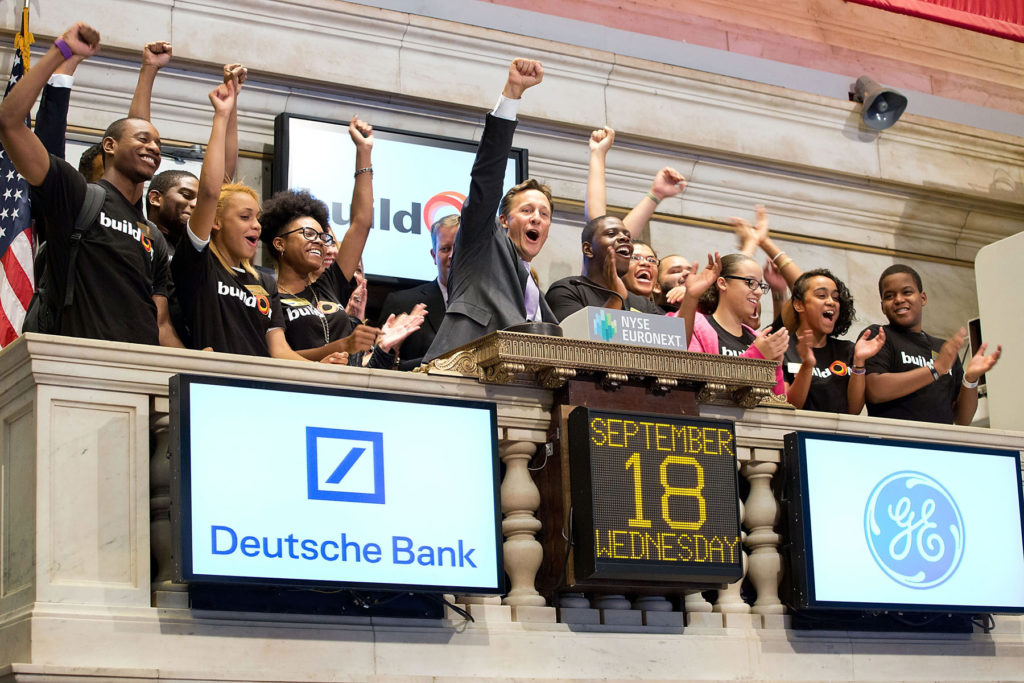

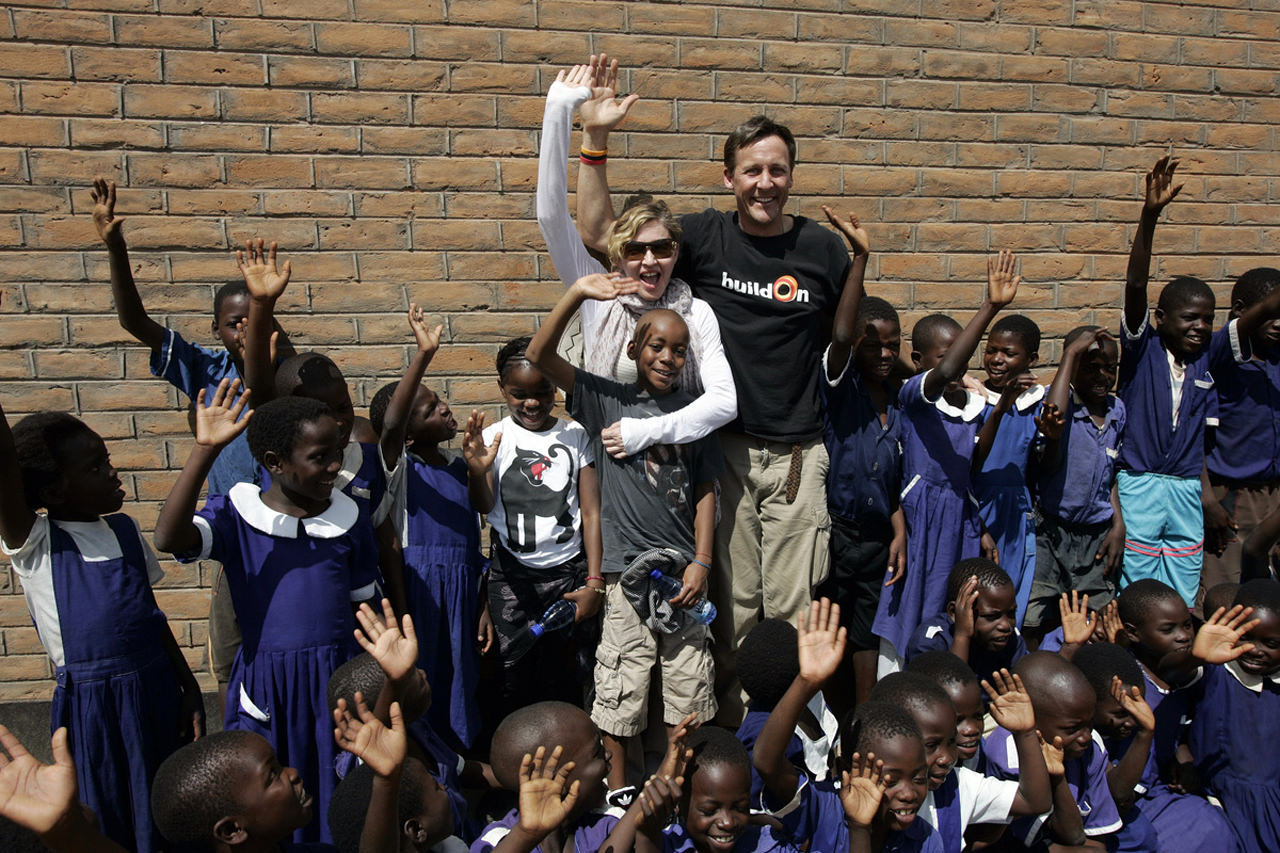
In 2012, Madonna and Raising Malawi partnered this buildOn to construct ten schools in Kasungu, Malawi. How did this partnership come about?
Madonna and Raising Malawi have an incredibly deep commitment to the country Malawi. They were looking for an organization with an equal commitment to the country as well as long standing track record of building schools. Trevor Neilson of Global Philanthropy recommended us, and we went from there.
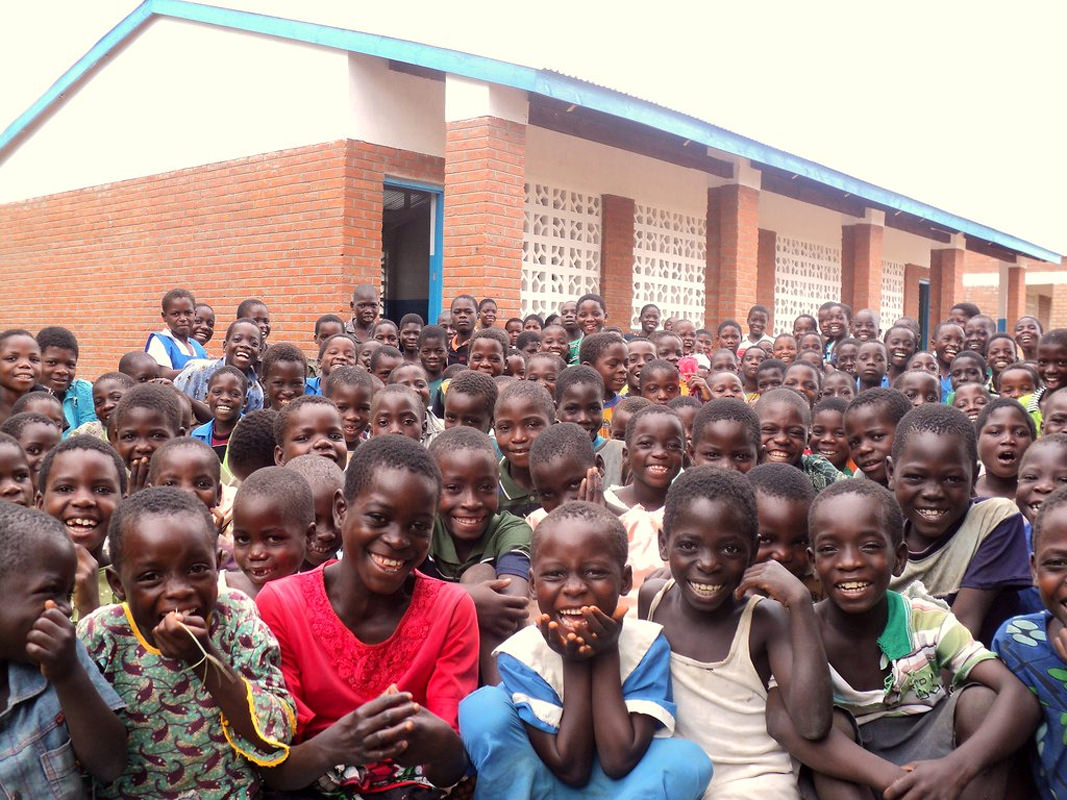
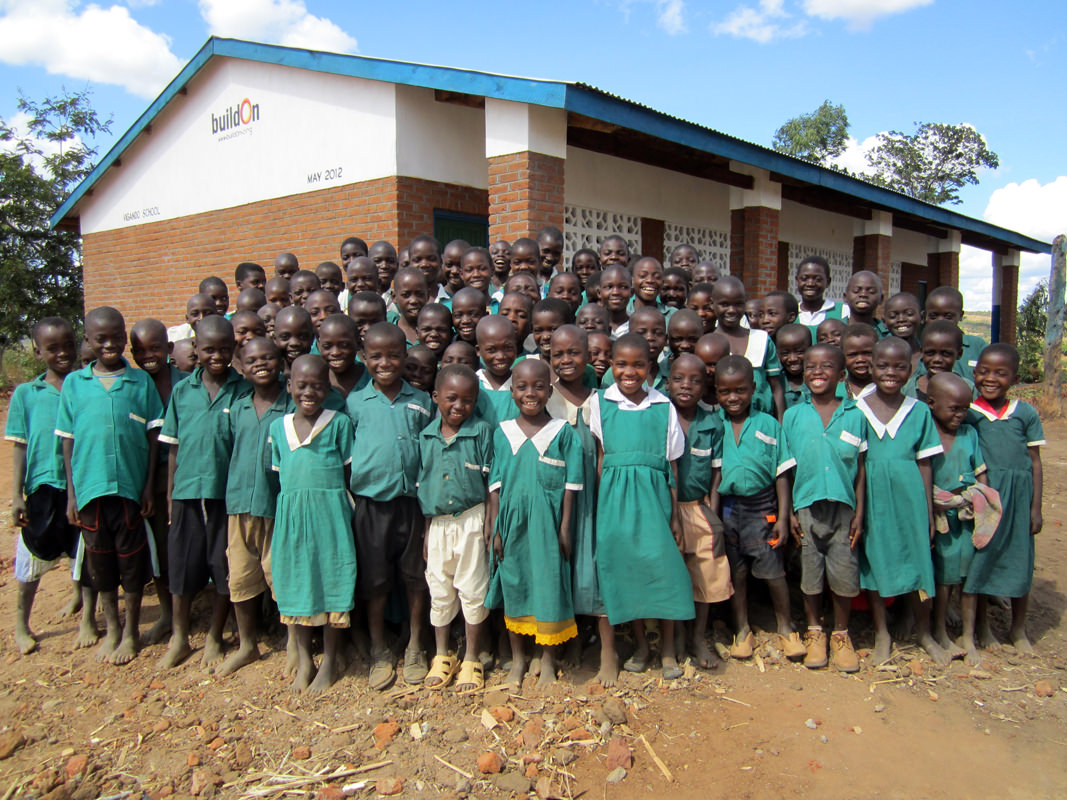
Madonna and her team are among of the most educated and committed investors we have ever worked with in Malawi. It’s been an incredible partnership that produced ten schools in Malawi, and one secondary school in Mali – the first we’ve ever built.
Can you tell us about some upcoming or long-term plans for the buildOn movement?
We are building a movement of people who will affect change in their own lives, become thought leaders and ultimately transform their communities. In 2015 we plan to expand by 56% and build 180 schools in some of the economically poorest countries on the planet. We will also work with 5,000 urban youth in some of the most challenged neighborhoods in the United States. Twenty years from now we hope to be working with over 100,000 youth every week and that there will be 1 million students attending buildOn schools every day.
What advice would you give to other individuals thinking about setting up their own philanthropic organization?
It’s not easy to start a successful organization. It takes hard work and commitment, and that can be daunting. When I started buildOn I had no experience and no funding, and at points I felt paralyzed by the fear that I would fail. But, when you are trying to build something you believe in, something that has the ability to empower others and to improve the lives of many, the most important thing to do is to confront your fears. Work to overcome them and never give up.
How can our readers get involved with buildOn?
There are many ways to join the movement. You can help build a school, you can support a student who is trying to make a change here at home, you can lend your voice to spread the word, and you can even start a chapter in your own community. You can learn more about all of this at buildOn.org or by following on Facebook, Twitter and Instagram at @buildOn.
I feature people like yourself- empowering, inspiring people who change the world. Please name one person that you consider a real “warrior”.
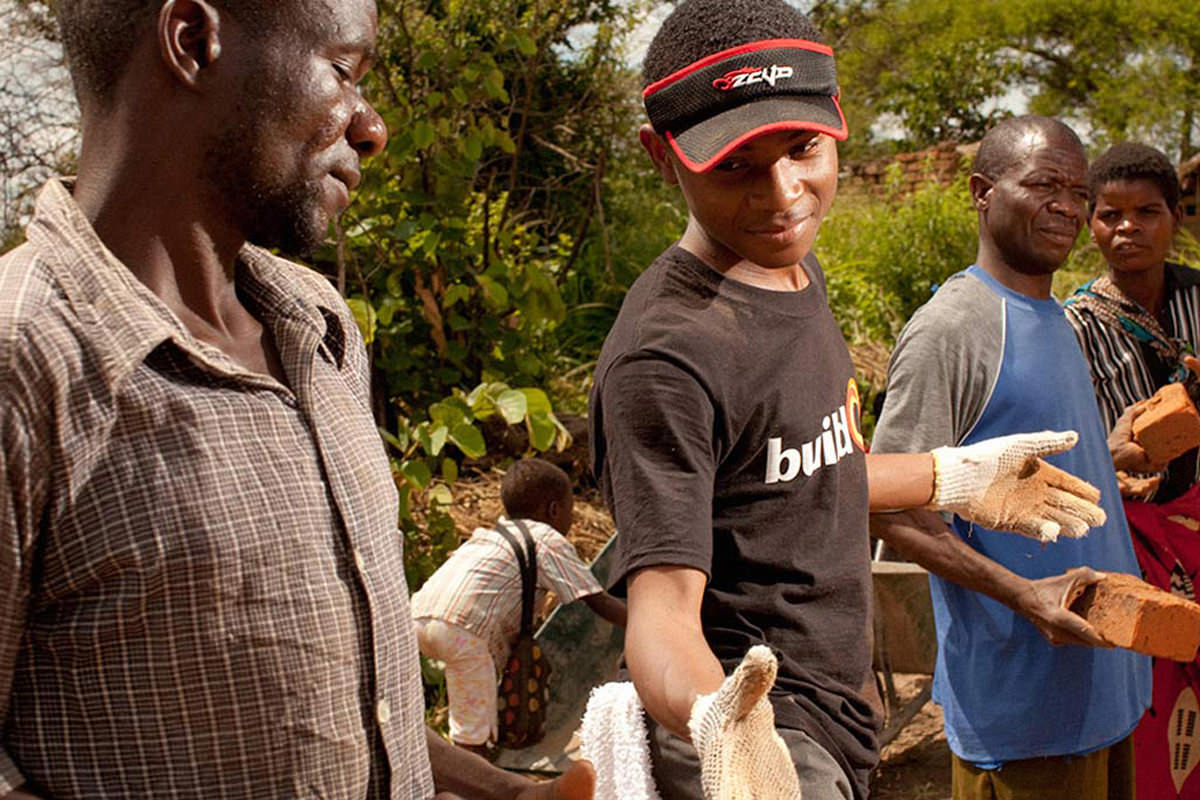
I consider the American students and the children and parents in the communities where we work around the world to be peaceful warriors! They face seemingly insurmountable challenges with dignity, courage, and grit. Most importantly, they are in solidarity with each other and are doing work that will affect children for generations to come.

Interview by Irina Liakh,
Images courtesy of buildOn